After a Tornado: Tree Cleanup Steps for the First 48 Hours
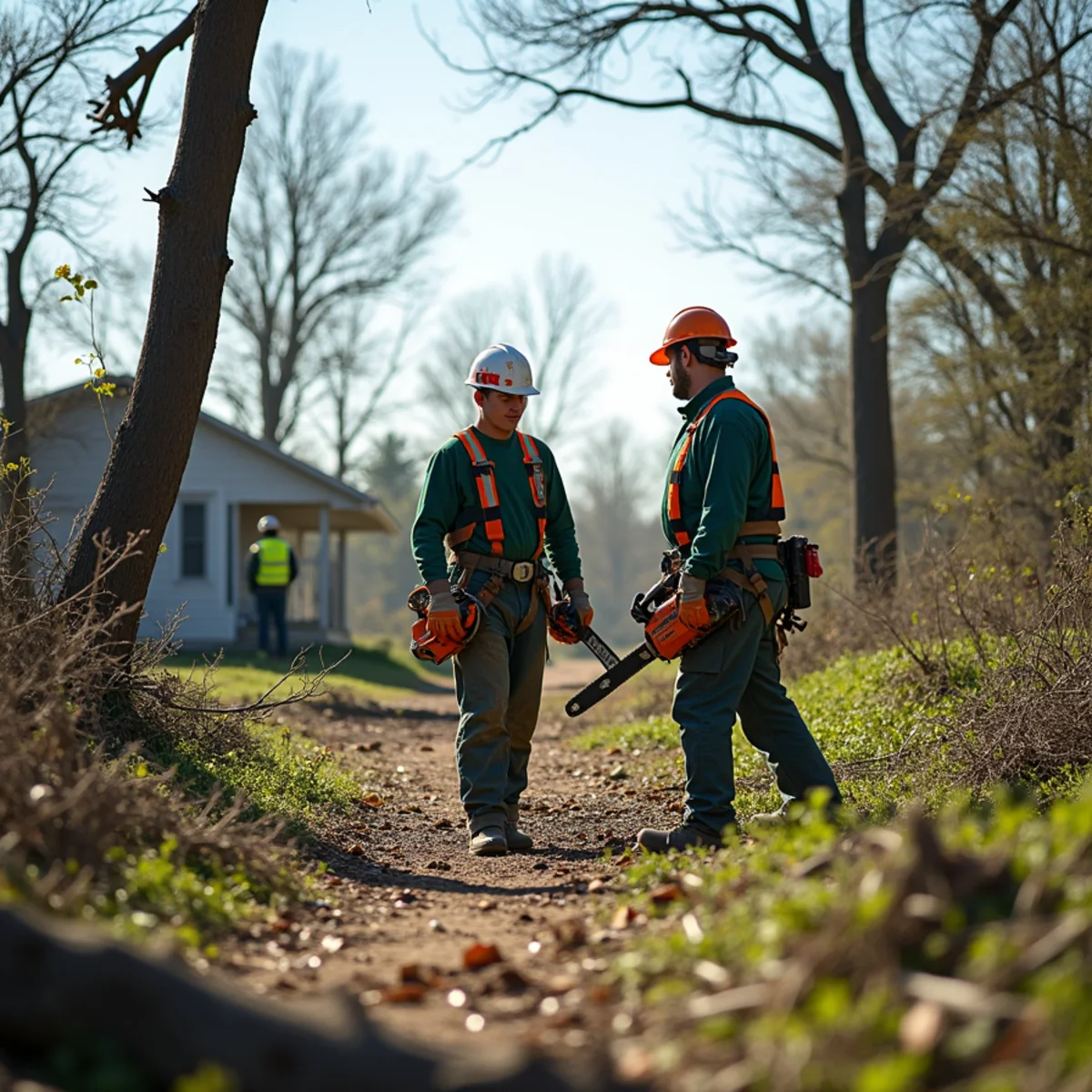
When addressing tornado tree damage cleanup in Northeast Oklahoma, prioritize immediate personal safety, check for downed power drops, and document all damage with clear photos before moving limbs. In Green Country, severe weather like tornadoes and ice storms places immense mechanical stress on oak, maple, and hackberry limbs. Calling an insured, technical tree service ensures dangerous spring-loaded branches are dismantled safely without compounding structural damage.
Understanding After a Tornado: Tree Cleanup Steps for the First 48 Hours in Northeast Oklahoma
Oklahoma's climate creates unique hazards for urban and rural trees. Spring supercell thunderstorms bring straight-line winds surpassing 70 mph, while winter ice storms coat branches with hundreds of pounds of glaze ice. Species common to Green Country—such as silver maples, post oaks, water oaks, and invasive Bradford pears—each react differently to environmental stress. Understanding these dynamics is critical when navigating tornado tree damage cleanup.
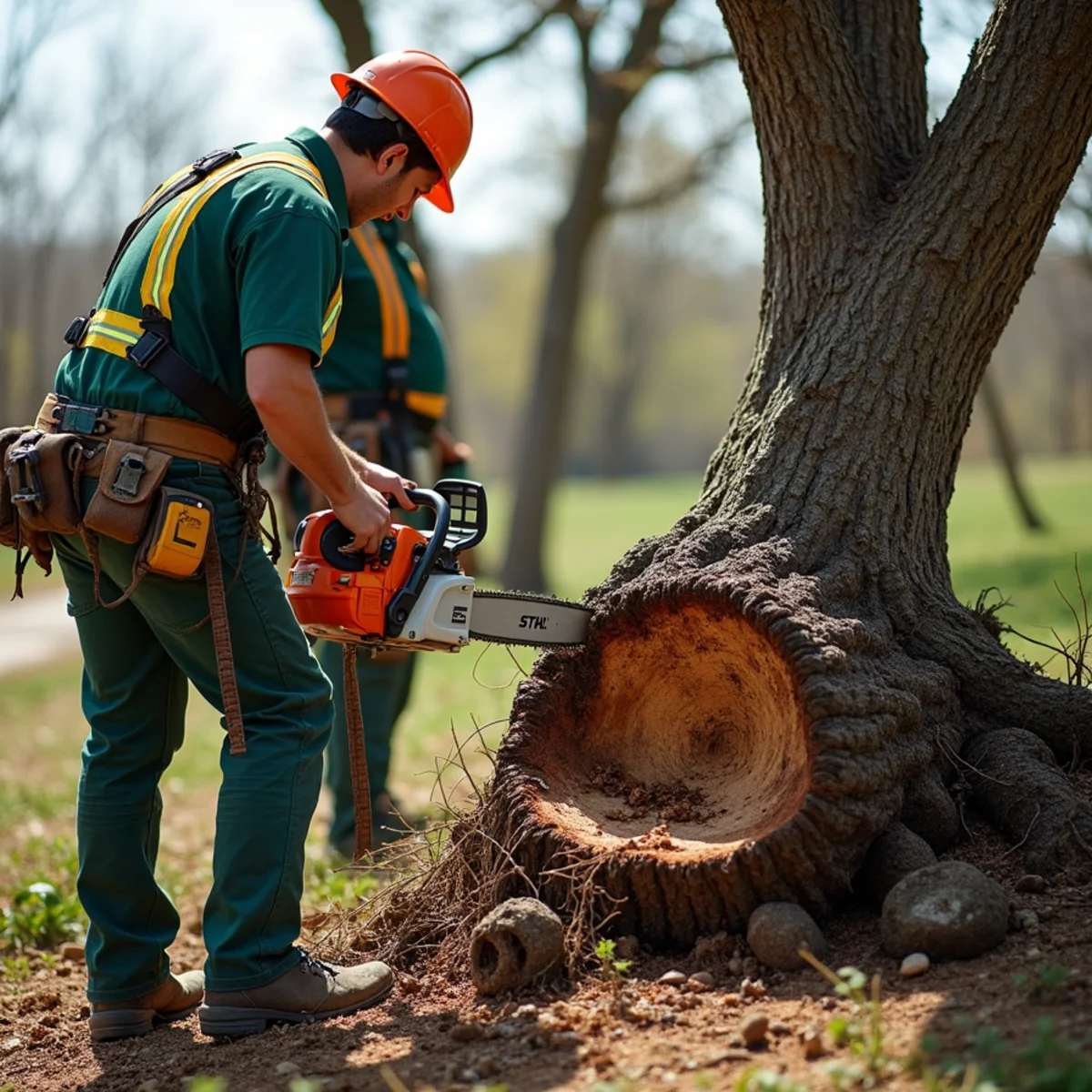
- Inspect the trunk base for fungal conks, mushrooms, or heaving soil indicating root plate failure.
- Check for co-dominant stems with included bark, which split easily in high wind.
- Ensure branches are clear of electric service lines running from the utility pole to your home weatherhead.
- Verify contractor insurance coverage (demand a certificate of general liability) before work begins.
Safety Protocols and Property Protection
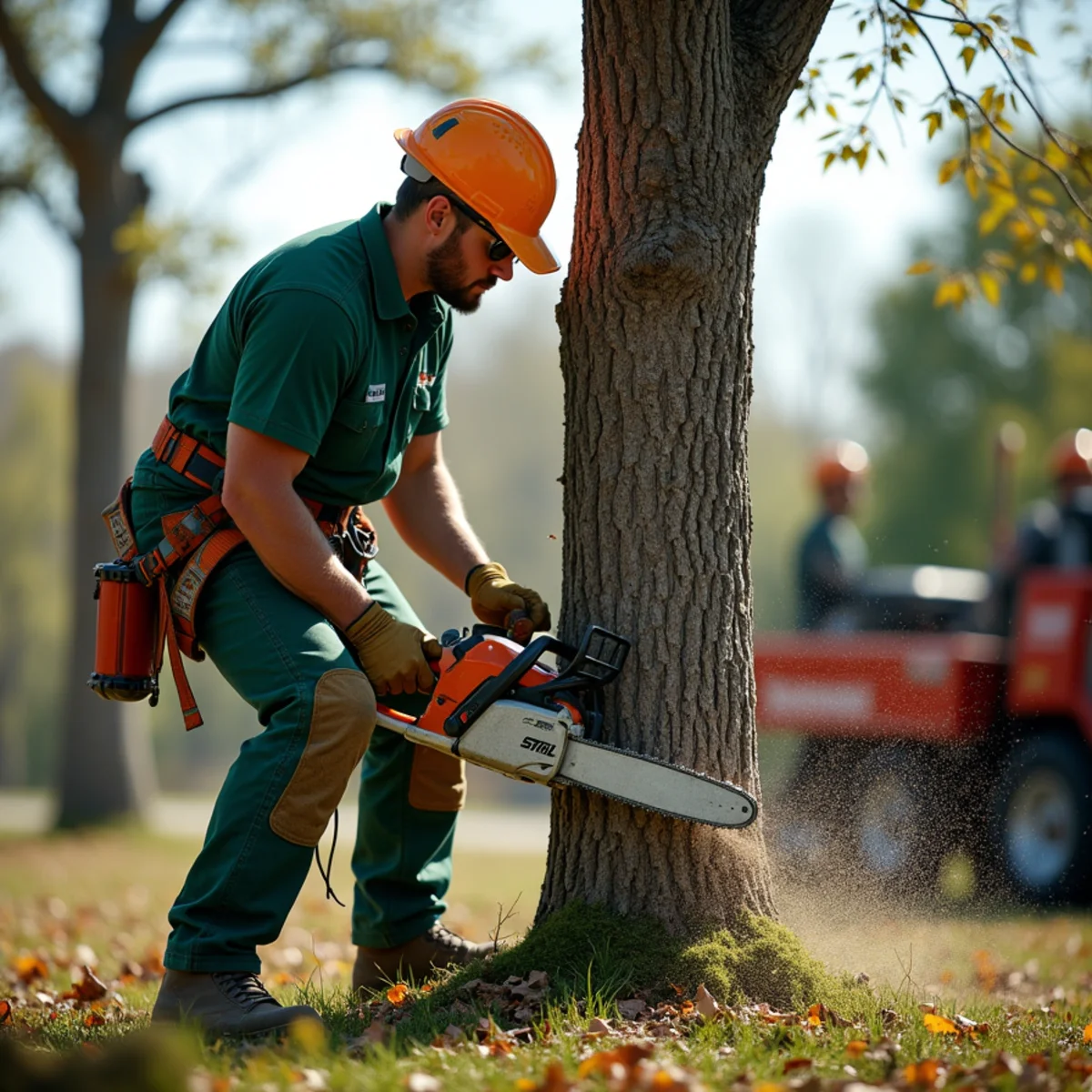
Attempting to tackle large tree hazards with a consumer chainsaw without proper rigging training is among the most dangerous homeowner tasks. Downed trees frequently store massive mechanical energy; cutting a trunk under tension can trigger violent spring-back. Professional tree crews use relief cuts, directional felling notches, and tagline control to dissipate energy safely.
Costs, Insurance, and Local Regulations
When dealing with tornado tree damage cleanup, homeowners often ask about costs and insurance coverage. If a tree falls on a covered structure (such as your home, garage, or shed), homeowners insurance policies typically cover the cost of removing the tree from the structure and making temporary tarp repairs. For general tree trimming and maintenance, costs depend on tree height, accessibility, and debris haul-off.
| Factor | Typical Scope | Impact on Price & Safety |
|---|---|---|
| Tree Height & Diameter | Small (under 25ft) to Large (over 60ft) | Larger trees require advanced climbing or bucket access |
| Proximity to Structures | Clear lawn vs tight roofline proximity | Tight quarters require complex rope rigging and friction lowering |
| Power Line Proximity | Near service drop vs high voltage line | Requires coordination with PSO or rural electric cooperatives |
| Debris Clean & Haul | Leave firewood vs full chip & haul-off | Full debris haul-off and raking leaves property spotless |
48-Hour Severe Storm Cleanup Priority Checklist
The immediate 48 hours following a tornado or severe tornadic wind event across Green Country require strict adherence to safety priorities. Property owners should avoid rushing into tangled timber with consumer chainsaws until power lines, unstable root balls, and hung-up widowmakers have been evaluated. Establishing a structured cleanup protocol ensures safety and protects property insurance documentation.
| Timeframe | Operational Focus | Safety Precautions | Tools & Resources Required |
|---|---|---|---|
| Hours 0 - 6 | Life safety & utility shutdown | Evacuate impact zones; verify wire clearance | Emergency services (911), utility dispatch |
| Hours 6 - 24 | Insurance documentation & priority access | Photograph damage from ground; avoid walking under trees | Camera/phone, itemized insurance notes |
| Hours 24 - 48 | Emergency hazard tree clearing | Maintain 35-ft drop zones; verify bind points | Joice Tree Service (heavy rigging & chippers) |
| Day 3 Onward | Stump grinding & site restoration | Check OKIE811 utility locates before digging | Commercial hydraulic stump grinder, topsoil |
Identifying Internal Trunk Shear and Barber-Chair Fractures
Tornadoes subject trees to violent rotational torque, which frequently splinters internal heartwood fibers without completely severing the outer bark. A tree that appears upright after a storm may conceal a dangerous vertical fracture known as a barber-chair. When a saw cut is made into a tree under extreme internal tension, the trunk can split upwards violently, kicking the heavy butt backward toward the operator. Austin Joice uses binding straps and specialized relief notches to safely fell twisted timber.
Austin Joice's Field Notes from the Canopy: Cutting Twisted Grain & Hydraulic Winch Felling
Tornado-damaged timber behaves unlike standard forestry felling. Extreme cyclonic winds twist wood fibers along the trunk axis, creating severe spiral grain and hidden internal heartwood fractures. When a chainsaw operator cuts into a trunk subjected to torsional stress, the wood can release explosively along the twist, splitting upward in a dangerous barber-chair before the back-cut is even half finished. In our storm recovery operations across Mayes and Rogers counties, we wrap heavy-duty ratchet binder chains around the trunk above and below the felling notch to mechanically contain the wood grain. We also anchor high-tensile synthetic winch lines high in the crown, using vehicle-mounted winches to apply directional pull from a safe 70-foot perimeter. This mechanical setup ensures twisted blowdowns fall exactly into designated drop zones without saw binds.
At Joice Tree Service, owner Austin Joice frequently encounters tornado tree damage cleanup during storm recovery and hazardous removals. Trees subjected to Oklahoma's severe weather cycles often exhibit internal rot, hollow cavities, or weak branch unions that make DIY cutting extremely hazardous. Professional rigging with Port-a-Wrap friction devices and arborist blocks allows heavy sections to be lowered safely under tension.
Need Professional Tree Advice on Your Property?
Call Austin Joice at (213) 468-5153. We inspect your trees on site, explain which can be pruned and which require removal, and provide a free written estimate.
Frequently Asked Questions
First assess the situation from a safe distance. If electrical lines are involved, stay clear and contact your utility. Document damage with photos and call Joice Tree Service at (213) 468-5153 for an inspection.